Everything our mill produces

Every fresh fruit bunch we receive becomes oil, kernel and biomass, so nothing that arrives at our mill goes to waste.

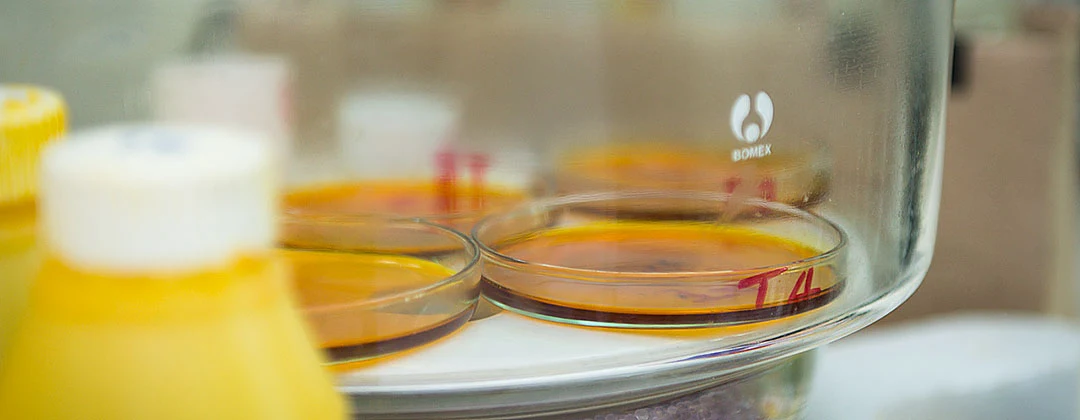
Crude palm oil samples in laboratory dishes

01 · CPO

Crude palm oil (CPO)

Crude palm oil is an edible oil extracted from the pulp of the oil palm fruit. Like the pulp itself, it is naturally red, thanks to its high provitamin A content.

It is usually physically refined into a golden yellow oil for further use.

Palm oil goes into a wide range of cooking, household and beauty products, from frying and baking oils to soaps and lotions. Less well known, it can also serve as a substitute for diesel.

Common uses

  • Cooking and frying oils
  • Soaps and cosmetics
  • Diesel substitute
Palm oil being poured into a sample cup in the mill laboratory

02 · PK

Palm kernel (PK)

The palm kernel is the edible seed of the oil palm fruit, from which palm kernel oil is extracted.

Palm kernel oil is white or yellow, with a pleasant taste and smell, and closely resembles coconut oil.

It is widely used in the oleochemical industry for soaps, cosmetics and plastics, as well as in food. Its hard fraction is used as a cocoa butter substitute, while the oil and its softer fraction are used as filling fats.

Common uses

  • Oleochemicals
  • Cocoa butter substitute
  • Filling fats
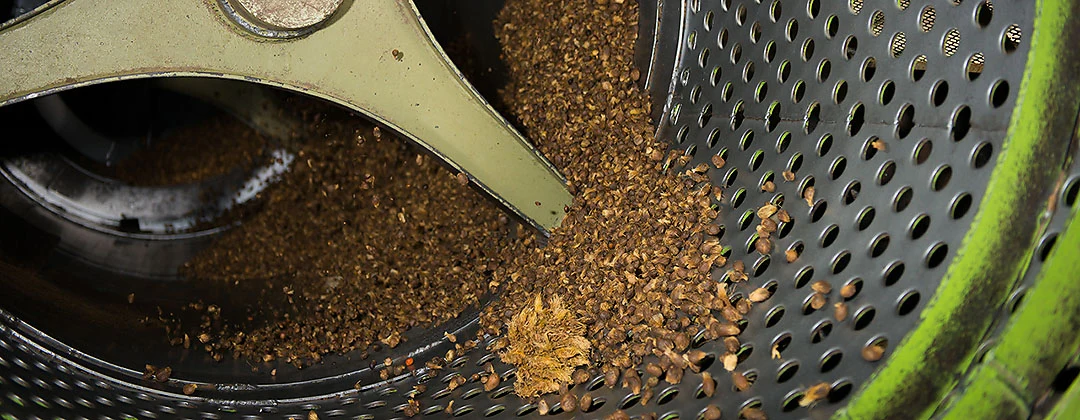
Palm kernels and shells in a screening drum at the mill

03 · PKS

Palm kernel shell (PKS)

Palm kernel shell comes in a natural pellet-like form. With a high solid content and low ash and sulphur, it is used as boiler fuel in power plants and is commonly processed into charcoal.

PKS is recognised as a renewable biomass fuel that complies with energy regulations in markets such as Japan, Korea and Europe, and is used as a replacement for wood chip.

Common uses

  • Power plant fuel
  • Charcoal
  • Wood chip replacement
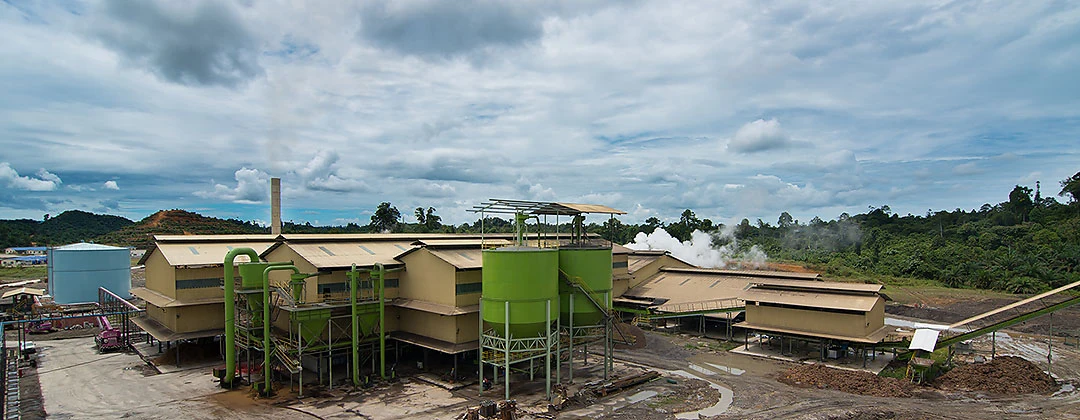
MJM Palm Oil Mill processing buildings and silos

04 · Ash

Bunch ash

Bunch ash is a fertiliser made by burning empty fruit bunches and collecting the ash, making it a natural source of potassium.

As an organic fertiliser, it can be mixed with manure, rice husk or microbes into a balanced fertiliser for a range of crops, and helps introduce beneficial microbes into the soil.

With NPK fertiliser prices staying high, many plantation owners now include palm ash in their fertiliser programmes.

Common uses

  • Potassium source
  • Organic fertiliser blends
  • Soil health

Interested in dealing with us?

Talk to our sales and marketing team about supply, pricing and delivery.